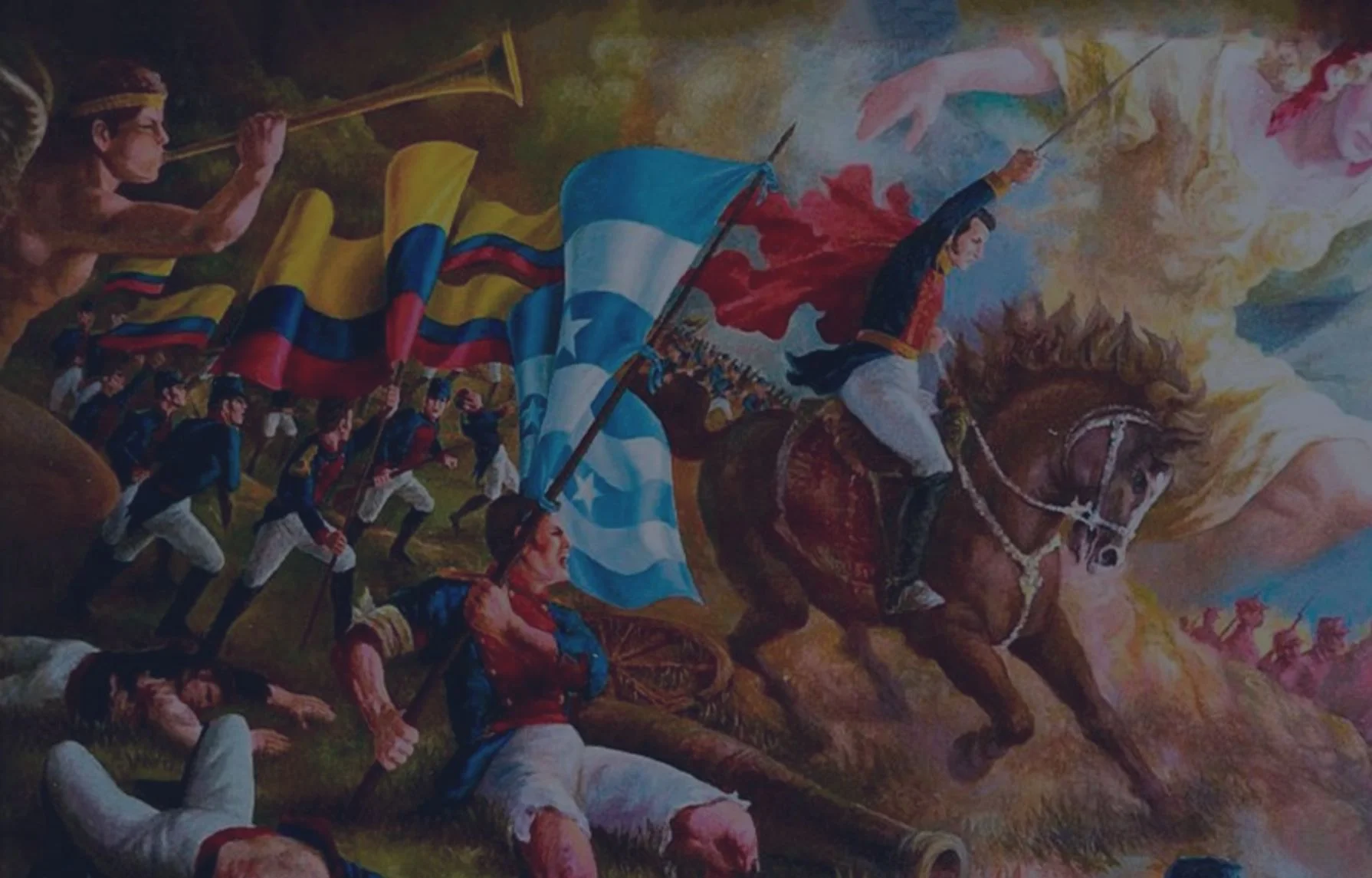
El feriado de la batalla de Pichincha es una de las mejores excusas del año para escapar a la sierra ecuatoriana. La fecha se conmemora el 24 de mayo y, cuando cae domingo, el descanso se traslada al lunes siguiente. En la mayoría de los años el resultado es un puente de tres días.
Ese tiempo alcanza para subir al Volcán Chimborazo, recorrer el centro histórico de Riobamba, comer bien y descansar de verdad en una hacienda colonial andina. Esta guía reúne el itinerario completo para organizarlo sin apuro.
What is commemorated in the Battle of Pichincha
The Battle of Pichincha was fought on May 24, 1822, on the slopes of the Pichincha volcano, above the city of Quito. It was the decisive battle that sealed Ecuador's independence from Spanish rule. The patriot troops, led by Marshal Antonio José de Sucre, defeated the royalist army in a battle that lasted only a few hours but forever changed the history of the country.
The following day, Quito formally surrendered. Ecuador became part of Gran Colombia and, years later, would consolidate itself as an independent republic. For this reason, the holiday commemorating the Battle of Pichincha is one of the most historically and emotionally significant on the national calendar.
Today, the commemoration is celebrated with civic-military parades in cities and towns throughout the country. Students march in their uniforms, bands play national anthems, and plazas are filled with Ecuadorian flags.
Cuándo cae el feriado y cómo se arma el puente
La batalla de Pichincha se conmemora cada 24 de mayo. La normativa ecuatoriana establece que, cuando un feriado nacional coincide con sábado o domingo, el descanso se traslada al viernes anterior o al lunes siguiente según el caso. Por eso la fecha efectiva del descanso cambia de un año a otro.
En la práctica, esto suele generar un fin de semana largo de tres días. Conviene revisar el calendario oficial de feriados publicado por el Ministerio de Turismo antes de reservar, porque la traslación se confirma con anticipación cada año.
Tres días son exactamente lo necesario para una escapada completa a la sierra. Alcanza para llegar el viernes en la noche o el sábado temprano, explorar con calma y regresar sin apuro.
Why Riobamba is the ideal destination for the Battle of Pichincha
May is one of the best months to visit the Ecuadorian highlands. The weather in Riobamba at this time combines clear mornings, cool temperatures, and good visibility of the surrounding volcanoes—especially Chimborazo, which on clear days in May can be seen in all its grandeur from the city.
Furthermore, Riobamba has a special historical connection to this holiday. The province of Chimborazo contributed fighters to the wars of independence and preserves the memory of that era in its architecture, plazas, and colonial churches. Exploring the historic center during the Pichincha Battle holiday is a way to connect with national history in a tangible way.
Added to all this is the array of nature and adventure activities: Chimborazo Volcano less than an hour away, the Devil's Nose Train 45 minutes away, El Altar Volcano two hours away, and the Palmira Desert 40 minutes away. No other city in the highlands offers so much in such a small area.
5 plans for the Pichincha Battle holiday in Riobamba
The long May weekend offers the perfect opportunity to combine several plans at your leisure. Here are five of the most comprehensive experiences to help you plan your trip from Riobamba.
1. Climb the Chimborazo Volcano
Chimborazo is the main reason why it's worth being in Riobamba during the Battle of Pichincha. May is one of the months with the best weather to visit. Access to the first refuge, at 4,800 meters above sea level, requires no technical experience or specialized equipment. Just warm clothing, sturdy footwear, and setting out before 8:00 a.m. to take advantage of the visibility.
From Hacienda Abraspungo, guided excursions to Chimborazo are coordinated with transportation included. It's the most convenient option for those who don't want to deal with the logistics of transportation.
2. Explore the historic center of Riobamba
The historic center of Riobamba is one of the best preserved in the Ecuadorian highlands. During the Pichincha Battle holiday, the city has a special energy: civic parades in the main squares, marching bands in the streets, and a profusion of flags and patriotic symbols that recall the historical significance of the date.
The Cathedral, Maldonado Park, La Merced Church, and the Convent of the Conceptionists form a route that can be explored on foot in a full morning. The Producers' Market, open on Saturdays, is also one of the best places in the mountains to experience local culture.
3. Take the Devil's Nose Train
Desde Alausí sale uno de los recorridos ferroviarios más famosos de América Latina. El Tren de la Nariz del Diablo desciende por una serie de zigzags cortados en la roca viva de la montaña, con una pendiente de casi 800 metros en pocos kilómetros. Combina paisaje, historia y una ingeniería del siglo XIX que todavía sorprende.
Sin embargo, conviene verificar la operación antes de organizar el viaje. El servicio quedó bajo administración municipal de Alausí y funciona de jueves a domingo y feriados, con salidas a las 08:00, 11:00 y 14:00. Los boletos se adquieren por la plataforma Ticket Éxito o en la taquilla de la estación. Las novedades se publican en el Ministerio de Infraestructura y Transporte.
4. Visit the Palmyra Desert and the Balbanera Church
Located 40 km from Riobamba, the Palmyra Desert surprises visitors with its volcanic sand dunes surrounded by Andean highlands. On the return journey, the Church of Balbanera—the first church built in Ecuador—is just a few minutes away. Both sites can be visited in a single morning at a leisurely pace.
5. Rest at Hacienda Abraspungo
A well-spent long weekend needs a good base. Hacienda Abraspungo is located 3.5 km from the historic center of Riobamba, on the Riobamba–Guano road. It has 45 rooms with Andean colonial architecture, a complimentary breakfast buffet featuring products from Chimborazo, extensive gardens, and the Abraspungo Restaurant serving Ecuadorian and international cuisine.
From the hacienda, you can coordinate all the plans in this guide without needing to change your base. The tranquility of the surroundings—away from the noise of the city center but close to everything—is what makes the Pichincha Battle holiday a true break.
Itinerario sugerido de tres días
Los cinco planes anteriores se pueden combinar de muchas formas. Sin embargo, este orden aprovecha mejor la luz de la mañana y deja el esfuerzo físico en el día central.
Día uno: llegada y centro histórico
Llegada a la hacienda cerca del mediodía. La tarde alcanza para una primera exploración del casco histórico de Riobamba, que queda a menos de diez minutos. La Catedral, el Parque Maldonado y la iglesia de La Merced forman una caminata de dos horas entre calles empedradas y fachadas coloniales.
Cena en el Restaurante Abraspungo con cocina andina de la provincia. Conviene descansar temprano: la excursión del día siguiente arranca antes del amanecer.
Día dos: Volcán Chimborazo y páramo
Salida antes de las 8:00 hacia el volcán. Desde la hacienda, el traslado al primer refugio toma unos cincuenta minutos. El recorrido a pie desde el estacionamiento hasta el refugio, a 4.800 metros, lleva entre cuarenta y cinco minutos y una hora a paso tranquilo. En el camino, las vicuñas pastando entre las rocas del páramo son uno de esos encuentros que quedan grabados.
De regreso para el almuerzo, la tarde admite una cabalgata por los Cubillines o simplemente los jardines. Ese contraste entre el esfuerzo de la mañana y la calma de la tarde es lo que hace especial el feriado.
Día tres: desfiles cívicos y regreso
El día del feriado, Riobamba celebra con desfiles cívico-militares en las plazas principales del centro histórico. Bandas de música, estudiantes e instituciones recuerdan lo que costó construir el país, rodeados de arquitectura de esa misma época.
Desayuno buffet en la hacienda, recorrido por los desfiles y regreso al mediodía. El feriado permite salir sin apuro y llegar descansado.
What to pack for Chimborazo in May
El clima del volcán en mayo resulta frío e imprevisible incluso en días soleados. Cuatro elementos marcan la diferencia entre disfrutar la excursión y sufrirla:
- Chaqueta impermeable y abrigada: la temperatura en el refugio oscila entre 0 y 8 grados
- Gorro, guantes y bufanda, porque el viento del páramo puede ser intenso
- Calzado de trekking, ya que el terreno es de roca volcánica irregular
- Protector solar factor 50: la radiación a 4.800 metros supera con creces la del nivel del mar
Además, conviene salir con el estómago lleno y bien hidratado. La altitud se siente mucho menos así, sobre todo en las primeras horas de la caminata.
How to get to Riobamba for the May holiday
Riobamba is well connected to the main cities of Ecuador. Here are some time references to help you plan your trip:
| City of origin | Estimated time | Main route |
|---|---|---|
| Quito | 3 hours | Pan-American Highway South |
| Guayaquil | 3.5 hours | Riobamba–Guayaquil Road |
| Ambato | 45 minutes | Pan-American Highway South |
| Basin | 3 hours | Pan-American Highway North |
Lo ideal es salir el viernes en la tarde o el sábado temprano para aprovechar los tres días completos. Hacienda Abraspungo tiene estacionamiento gratuito y acceso directo desde la ruta principal.
Who is this holiday for in Riobamba?
The Pichincha Battle holiday in Riobamba appeals to a wide range of people. However, some particularly enjoy this type of mountain getaway in May.
- Families with children: the civic parades, Chimborazo and the hacienda gardens offer a complete experience for all ages.
- History lovers: touring Riobamba during a patriotic holiday connects you with Ecuador's history in a way that no book can replicate.
- Mountain adventurers: Chimborazo in May has some of the best conditions of the year for climbing with good visibility.
- Travelers from Quito: escaping the noise of the capital's parades towards the calm of the central highlands is a decision that many repeat every year.
In all cases, Riobamba offers what large cities cannot offer in the battle of Pichincha: tranquility, nature, and a history that can be felt in every stone of the historic center.
Frequently asked questions about the Battle of Pichincha
¿Cuándo es el feriado de la batalla de Pichincha?
La conmemoración es el 24 de mayo. Cuando esa fecha cae sábado o domingo, la normativa ecuatoriana traslada el descanso al viernes anterior o al lunes siguiente. El resultado suele ser un puente de tres días, aunque conviene confirmar el calendario oficial de cada año antes de reservar.
What is commemorated in the Battle of Pichincha?
The patriot victory of May 24, 1822, led by Marshal Antonio José de Sucre, which sealed Ecuador's independence from Spanish rule on the slopes of the Pichincha volcano.
What to do in Riobamba during the Battle of Pichincha?
The most complete options are: climbing the Chimborazo Volcano, touring the historic center during the civic parades, taking the Devil's Nose Train from Alausí, visiting the Palmira Desert and resting at Hacienda Abraspungo.
How much time does it take to visit Riobamba during this holiday?
Con tres días se pueden cubrir cómodamente el Chimborazo, el centro histórico y una excursión adicional. Lo ideal es llegar el sábado y regresar el lunes después del mediodía.
How to book at Hacienda Abraspungo for the Battle of Pichincha?
through the website at haciendaabraspungo.com, via WhatsApp at +593 997 683 450, or by email to [email protected]. It is recommended to book at least two weeks in advance.