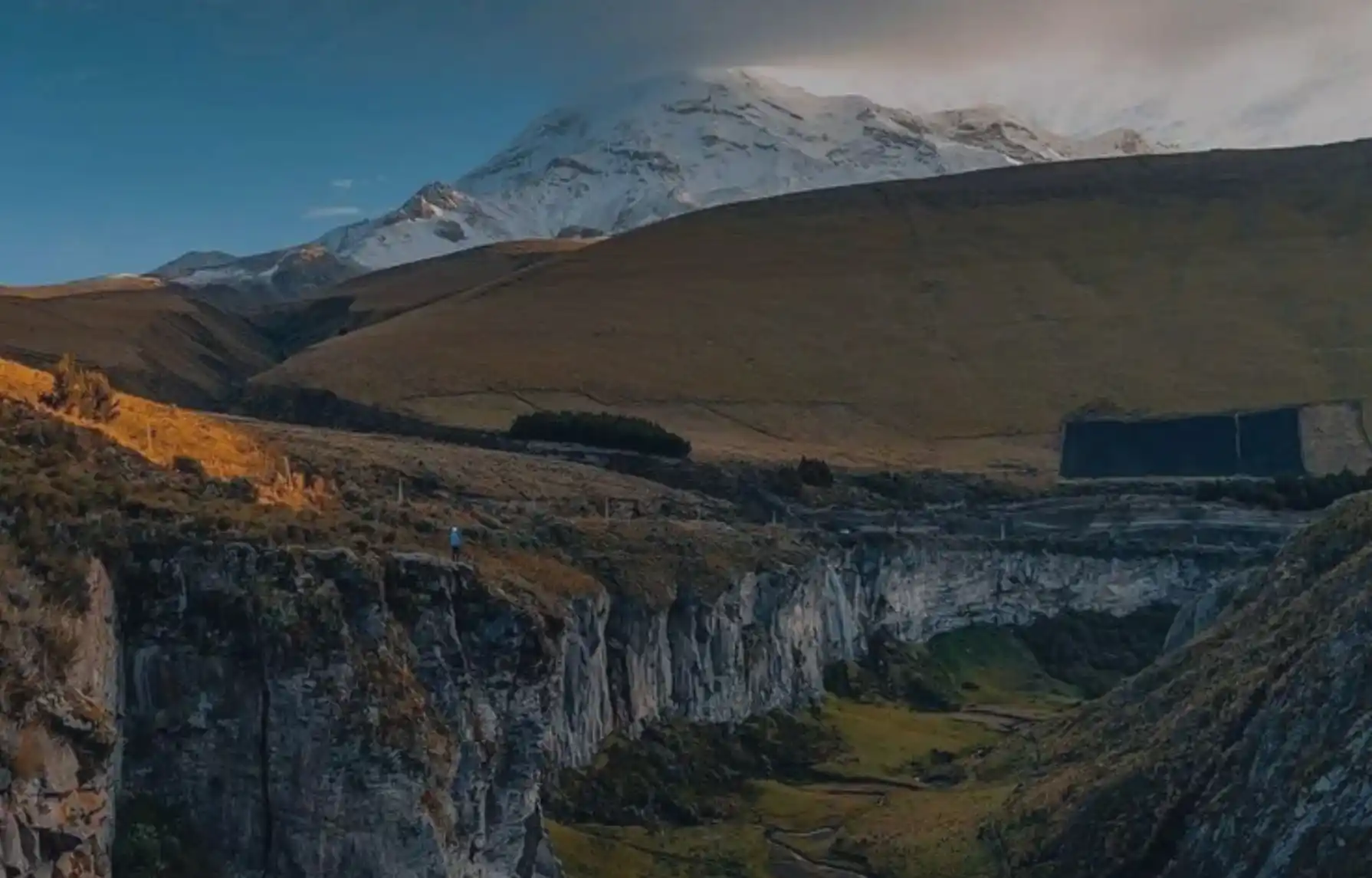
There's a time of year—or several—when the heat of Guayaquil calls for a change. For Guayaquileños, Riobamba is exactly that change: a 3.5-hour drive along the mountain road, the temperature drops 15 degrees, the landscape changes completely, and the body rests in a way unlike any beach or coastal resort.
The Ecuadorian highlands have something the coast can't offer: the crisp, clean air of the Andes, the silence of the páramo, snow-capped volcanoes visible from the road, and a completely different cuisine. For residents of Guayaquil, Riobamba is the most rewarding destination for their time investment—and one of the least explored by those who live in Ecuador's largest city.
This guide has everything you need to plan your trip from Guayaquil: when to go, what to do, where to stay, and why Riobamba is becoming a popular destination for those who discover it.
Why Riobamba is the ideal destination for people from Guayaquil
Riobamba offers advantages for Guayaquil residents that other highland destinations cannot match. The first is distance: at 3.5 hours via the Guayaquil-Riobamba route, it is the most accessible Andean destination from the coast without needing to take a flight or spend the night en route.
The second is the contrast. After months of coastal heat and humidity, arriving in Riobamba, at 2,750 meters above sea level, with temperatures ranging between 10°C and 18°C, is a concrete physical experience—not just an aesthetic one. The body perceives it from the first few kilometers of the climb, when the air becomes cooler and drier and the tropical vegetation gives way to the Andean highlands.
The third advantage of Riobamba for Guayaquil residents is what it offers. Few cities in the Ecuadorian highlands concentrate so much in such a small radius: the Chimborazo Volcano less than an hour away, the Devil's Nose Train 45 minutes away, the colonial historic center 10 minutes from the best haciendas, and a cuisine that is nothing like that of the coast.
The Guayaquil-Riobamba route: what you need to know
The route from Guayaquil to Riobamba is one of the most spectacular in Ecuador. The road climbs from sea level to 3,000 meters through a series of curves that cross the Western Cordillera, with changes in vegetation and landscape that make the journey an experience in itself.
For Guayaquil residents, Riobamba in terms of logistics is as follows:
| Detail | Information |
|---|---|
| Distance | Approximately 270 km |
| Time spent in own vehicle | 3.5 hours |
| Bus time | 4 to 4.5 hours from the Guayaquil Bus Terminal |
| Recommended departure time | Friday afternoon or early Saturday |
| Main route | Guayaquil-Riobamba route via Bucay and Huigra |
The route through Bucay and Huigra is the most popular and direct. On clear days, the descent into the Chanchán River valley and the subsequent climb into the mountains offer some of Ecuador's most varied landscapes in a single stretch of road.
Things to do in Riobamba for people from Guayaquil: the must-see plans
Riobamba offers a diverse itinerary for Guayaquil residents, easily filling up in two days. These are the activities that offer the most contrast to the coastal experience.
Climb the Chimborazo Volcano
Chimborazo is the highlight of any visit to Riobamba for residents of Guayaquil. Going from sea level in Guayaquil to 4,800 meters above sea level at the volcano's first refuge in less than 24 hours is one of those contrasts that few routes in the world can offer. The hike to the Carrel refuge requires no technical experience—just warm clothing and an early start.
From Hacienda Abraspungo, guided excursions to Chimborazo are coordinated with transportation included. It's the most convenient option for those unfamiliar with the route.
Take the Devil's Nose Train
Just 45 minutes from Riobamba, the Devil's Nose Train descends from Alausí along a series of switchbacks carved into the mountain's rock face. It's one of Latin America's most famous train journeys and a completely different experience from anything else available on the coast. Advance booking is recommended on the official Tren Ecuador website.
Explore the historic center of Riobamba
Riobamba's historic center boasts a scale and architecture that Guayaquil lacks—cobblestone streets, 18th-century stone churches, plazas with fountains, and a daily life that unfolds at a different pace. A morning spent exploring the Cathedral, Maldonado Park, and La Merced Market is enough to understand why the Sultana of the Andes holds that title.
Eating hornado at the market
Hornado riobambeño—pork roasted in a wood-fired oven for hours, served with hominy, potatoes, and chili peppers—is one of those dishes that people from Guayaquil discover in Riobamba and never forget. The stalls at La Merced Market on Saturdays from 7:00 a.m. are the perfect place to try it.
Relaxing at a colonial hacienda
A trip to Riobamba for Guayaquil residents isn't complete without a night at a hacienda. Hacienda Abraspungo is located 3.5 km from the historic center, featuring Andean gardens, colonial architecture, a complimentary breakfast buffet, and views of Chimborazo volcano from its grounds. It's the kind of accommodation that transforms a trip from a simple excursion into a truly memorable experience.
When to travel from Guayaquil to Riobamba
Riobamba for Guayaquileños is open year-round, but there are times that offer specific advantages:
- June to September: dry season in the highlands. The best days to see Chimborazo clearly and to hike the volcano with full visibility.
- Long weekends— Father's Day in June, Guayaquil's Independence Day in October, and the November festivities—are the times when the most Guayaquil residents travel. Reservations fill up quickly.
- Holy Week: the fanesca serrana and the processions in the historic center are unique experiences that do not exist on the coast.
- Any weekend: 3.5 hours round trip makes Riobamba a long weekend destination without needing a holiday.
Where to stay in Riobamba for people from Guayaquil
The best lodging option for Guayaquil residents in Riobamba is to stay at a hacienda outside the city center—and Hacienda Abraspungo is the place to go. Its 45 rooms feature Andean colonial architecture, a complimentary breakfast buffet, Wi-Fi, and free parking.
The hacienda is located at Km 3.5 on the Riobamba–Guano road, 3.5 km from the historic center. From there, you can coordinate any of the plans in this guide without needing to change your base. For reservations, write to +593 997 683 450.
Frequently asked questions about Riobamba for people from Guayaquil
How long does it take to get from Guayaquil to Riobamba?
By car, approximately 3.5 hours via the Guayaquil-Riobamba highway. By bus from the Guayaquil Bus Terminal, between 4 and 4.5 hours. The route is well signposted and does not require a 4x4 vehicle.
Is it worth going to Riobamba from Guayaquil in just one day?
Technically it's possible, but it's not the best way for Guayaquil residents to experience Riobamba. A one-day round trip takes almost seven hours. Ideally, you should stay at least one night to arrive rested, hike Chimborazo or take the train, and return at a leisurely pace the next day.
What clothes should I pack for Riobamba from Guayaquil?
Riobamba has daytime temperatures between 8°C and 18°C and can drop below 5°C at night. From Guayaquil, bring a warm jacket, a waterproof layer, and trekking gear for excursions. For Chimborazo specifically, add a hat, gloves, and sunscreen.
What is the best holiday for people from Guayaquil to visit Riobamba?
The Guayaquil Independence Day holiday in October is the most ironic—while the city celebrates, many Guayaquileños escape to the highlands. The Battle of Pichincha in May and Father's Day in June are also very popular holidays for Guayaquileños in Riobamba.
What is the difference between the climate of Guayaquil and that of Riobamba?
The difference is stark. Guayaquil is at sea level with a humid tropical climate and temperatures between 24°C and 32°C. Riobamba is at 2,750 meters above sea level with a dry Andean climate and temperatures between 8°C and 18°C. The contrast is immediate from the first few kilometers of climbing the mountain range.